











 Robert




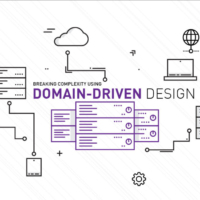
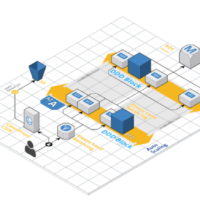





The main goal of Domain-Driven Design is to combat the complexity of business processes, their automation and...
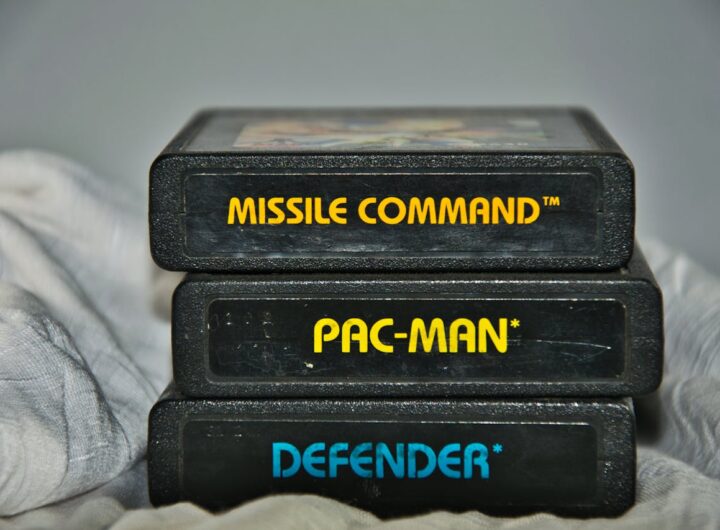
In the expansive landscape of gaming peripherals, the gaming wheel stands out as a specialized accessory, offering...

Imagine a world where the trajectory of human progress took a different turn, leading to alternative technological...
Top domain names stand out for their relevance, memorability, and brand association. Examples include: Electing a good...

In the fast-paced, ever-evolving realm of computing, where every nanosecond counts, there’s one unsung hero that takes...
















 The analysis carried out by Prointernet casino experts showed that the main advantage of
  Uncover the top-tier action at the